How to Select a Reliable Stainless Steel Stamping Parts Supplier
When your product quality and production schedule are entirely dependent on suppliers, selecting the right stainless steel stamping partner becomes a critical strategic decision. The wrong choice can lead to costly delays, scrap parts, and project failure. This guide details the five key factors for evaluating and selecting world-class stainless steel stamping partners, whether sourcing domestically in the US or internationally.
1.Assess Technical Capability and Industry Experience
Look beyond the number of presses to discern their technical depth.
Material Expertise: Top suppliers must possess extensive experience handling multiple stainless steel grades (e.g., 304, 316, 430). They should offer expert advice on material selection tailored to your application—be it medical devices, automotive components, or household appliances—considering factors like corrosion resistance and strength.
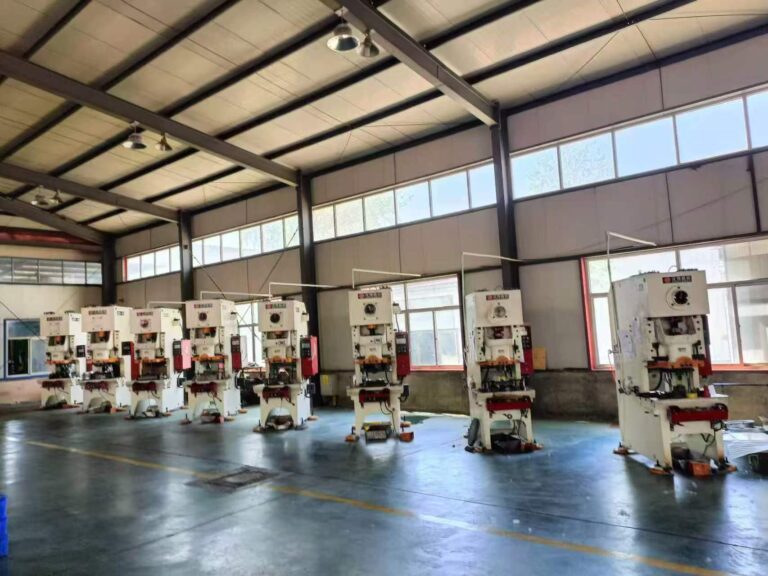
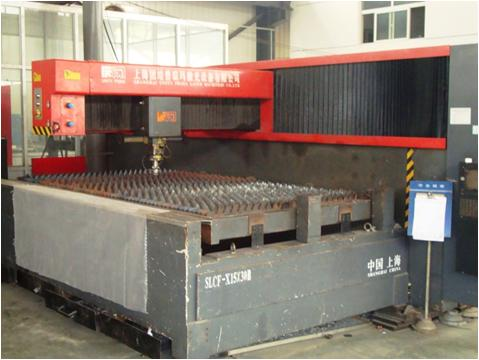
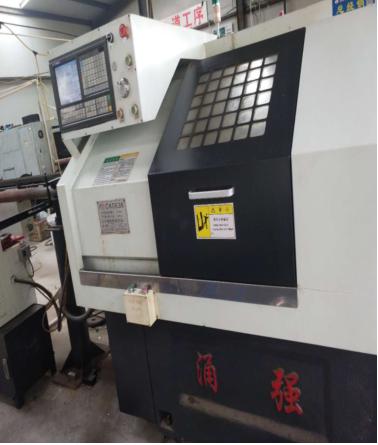
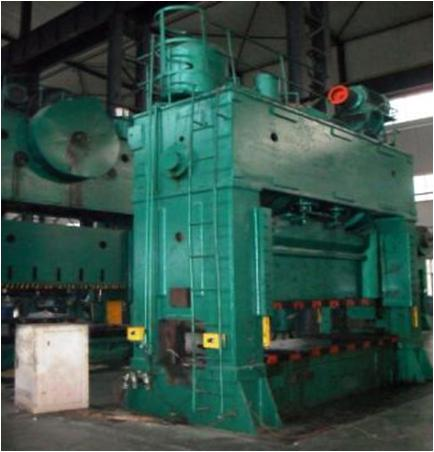
Advanced Equipment and Design for Manufacturability: Seek suppliers equipped with modern servo-driven presses, which offer superior control for deep drawing and complex geometric forming. Crucially, they must provide design for manufacturability (DFM) analysis. This service optimises part design before tooling development, yielding significant cost savings.
Moulding and Secondary Processing Capabilities: In-house mould manufacturing capability is a major advantage, ensuring faster lead times and superior quality control. The provision of one-stop secondary processing services—including welding, polishing, and deburring—can significantly streamline your supply chain management.
2.Demand Verifiable Quality Control Systems
‘High quality’ is a promise; certifications and data are the proof.
Mandatory Certifications: For any partner, ISO 9001:2015 certification is a non-negotiable baseline. If operating within aerospace or automotive sectors, demand suppliers hold specific accreditations such as AS9100 or IATF 16949.
Inspection & Documentation: Request access to samples of the supplier’s historical first article inspection reports. Reliable suppliers maintain fully equipped quality laboratories with high-precision inspection equipment like coordinate measuring machines to verify part dimensions.
Proactive Quality Assurance: Inquire whether they implement Statistical Process Control. This data-driven approach aims to prevent defects rather than merely detect them retrospectively, signifying a mature quality culture.
3.Assessing Supply Chain Stability and Commercial Health
A supplier’s weakness is your risk.
Material Traceability: Ensure suppliers can provide material certificates for their raw materials. This guarantees the authenticity and performance parameters of the stainless steel they utilise.
Financial Due Diligence: Conduct rapid financial health checks via platforms like Dun & Bradstreet to avert disasters caused by critical supplier insolvency.
Communication and Cultural Fit: Select suppliers who respond promptly, communicate clearly in Chinese, and demonstrate genuine partnership. For domestic enterprises, the ease of communication presents a tangible advantage.
4.Conduct Thorough On-Site Audits (The Ultimate Test)
For significant orders, personally inspecting the factory remains an irreplaceable step.
Observe Organisation and Culture: A clean, tidy factory practising 5S management typically signals efficient operations. Engage with frontline operators; their knowledge and attitude reflect the company’s genuine commitment to quality.
Review real-time documentation: Look beyond certificates on walls. Request access to an actual Process Failure Mode and Effects Analysis (FMEA) and Control Plan. This demonstrates their proactive risk management capabilities.
5.Analyse Total Cost of Ownership, Not Just Unit Price
The cheapest parts often conceal the highest costs.
Transparent quotations: Professional quotations clearly separate tooling costs from unit part pricing.
Calculate true costs: Factor in hidden expenses like quality defects, delivery delays, and internal administrative overheads. A slightly higher unit price from a quality supplier almost invariably results in lower total cost of ownership.
Your supplier sourcing action plan:
Prepare detailed RFQ packages: Create comprehensive requests for quotation containing technical drawings, material specifications, and annual demand volumes.
Shortlist suppliers: Utilise industry B2B platforms, search engines, and other channels to preliminarily select 3–5 candidate suppliers.
Audit and validate: Screen candidates using the five key factors outlined above. For preferred suppliers, prioritise arranging on-site audits.
Pilot production order: Initiate collaboration with a small-batch production order before committing to a long-term contract.
Conclusion: Establishing Successful Partnerships
Selecting a stainless steel stamping supplier constitutes a strategic investment. By prioritising verifiable technical capabilities, data-driven quality systems, and robust operational performance, you will cultivate strategic partnerships that deliver not merely products, but exceptional value, drive innovation, and ensure long-term supply chain reliability. Employ this guide to make informed and confident decisions.